
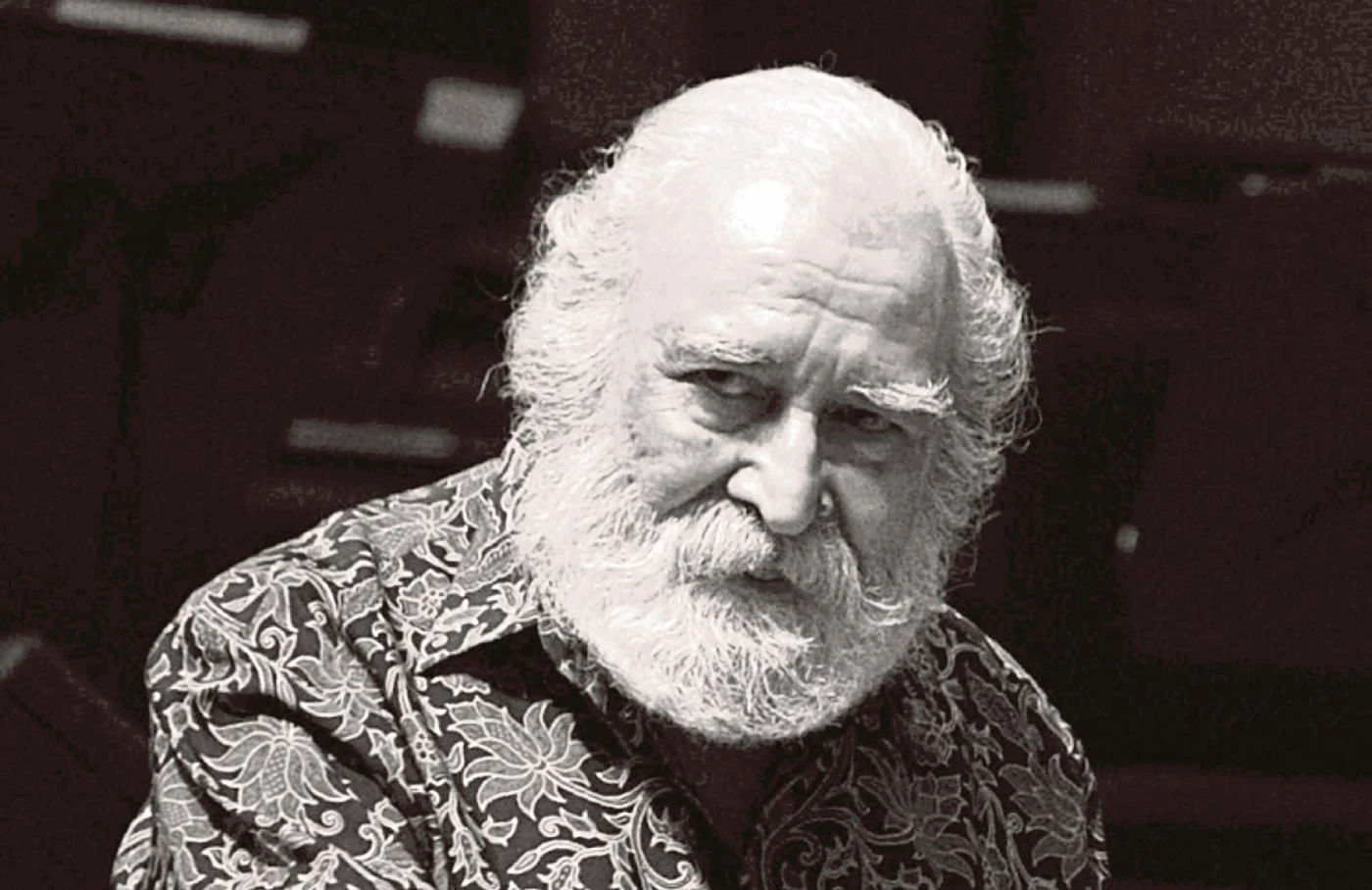
In a recorded message played during the launch of the Festschrift honouring Professor Emeritus Datuk Dr Osman Bakar at the International Institute of Islamic Thought and Civilisation on Jan 26, 2023, the distinguished philosopher Seyyed Hossein Nasr made a remark that captured an important transformation in the intellectual life of the Muslim world.
For much of the 20th century, he recalled, students from Southeast Asia who wished to study philosophy, civilisation and the deeper traditions of Islamic thought often had to travel to Europe or North America.
Serious scholarship in these fields was largely concentrated in Western academic centres. But that reality, Nasr observed, has changed.
Today, students from this region no longer need to travel far from home to encounter scholars of global stature.
Southeast Asia itself has produced thinkers capable of shaping philosophical and civilisational discourse. Among those figures, he pointed to two scholars associated with this region: Royal Professor Tan Sri Dr Syed Muhammad Naquib al-Attas and his student, Professor Osman Bakar.
The observation was both simple and profound. It suggested that Southeast Asia — and Malaysia in particular — has matured into an intellectual centre capable of producing scholars whose ideas resonate across the Muslim world and beyond.
That recognition is echoed in the foreword to the Festschrift dedicated to Osman Bakar, written by Datuk Seri Anwar Ibrahim. In it, the Prime Minister describes Osman Bakar as a “polymath.”
The term is carefully chosen. In an age defined by increasing specialisation, polymaths are rare scholars whose intellectual curiosity transcends disciplinary boundaries.
They are thinkers who connect fields of knowledge that are often separated in modern academia. Osman Bakar’s scholarship reflects precisely such breadth.
Over several decades, his work has explored the relationship between Islam and science, the philosophical foundations of knowledge, the ethical challenges of modernity and the importance of dialogue between civilisations.
His writings have contributed significantly to global discussions on how religious traditions engage with modern scientific and intellectual developments.
Another important recognition of his intellectual contribution comes from Professor Khairudin Aljunied in his book ‘Shapers of Islam in Southeast Asia’. In that work, Khairudin identifies leading scholars who have shaped the intellectual trajectory of Islam in the region.
Among them, he characterises Osman Bakar as an epistemologist, a scholar concerned with the philosophical foundations of knowledge. In the same discussion, the late Ahmad Ibrahim is described as a legalist, reflecting his monumental contributions to Islamic law and legal institutions.
This distinction highlights the diverse intellectual roles played by Southeast Asian scholars. Some have shaped legal frameworks and institutions, while others have contributed to the deeper philosophical understanding of knowledge and civilisation.
Osman Bakar’s influence is also reflected in international recognition of his work.
He has been included in The Muslim 500: The World’s Most Influential Muslims, an annual publication that identifies individuals whose ideas and leadership shape the contemporary Muslim world.
Only a limited number of figures from Southeast Asia appear in this global list.
Among them are scholars and leaders such as Anwar and Khairudin. The inclusion of Osman Bakar among this distinguished group reflects the global reach and influence of his intellectual contributions.
Malaysia’s intellectual tradition has long been shaped by such figures.
Malaysia has been fortunate to produce such thinkers. The best way to honour their legacy is not merely through remembrance, but by sustaining the intellectual culture that makes such scholarship possible.
Historically, the Malay world served as a meeting point of civilisations where Islamic scholarship interacted with local intellectual traditions and global ideas. This interaction produced a vibrant intellectual culture that was both rooted in tradition and open to new influences.
In the modern era, scholars such as Al-Attas helped revive and articulate this tradition, placing Malaysia firmly on the global map of Islamic philosophical discourse.
The emergence of scholars like Osman Bakar represents the continuation of that legacy.
It demonstrates that Malaysia’s intellectual culture remains capable of producing thinkers who engage deeply with both classical scholarship and contemporary global challenges.
This continuity matters. Nations that aspire to contribute meaningfully to global civilisation must invest not only in economic development or technological innovation.
They must also nurture intellectual traditions that encourage reflection on deeper questions: the relationship between knowledge and ethics, the role of religion in modern societies and the possibilities for dialogue across civilisations.
Malaysia’s unique civilisational experience places it in a particularly strong position to contribute to these conversations.
For centuries, the region has witnessed interactions between Islamic, Malay, Chinese, Indian and Western intellectual traditions. This historical experience provides Malaysia with a distinctive perspective on coexistence and intercivilisational dialogue.
But such contributions depend on the presence of scholars capable of articulating ideas with intellectual depth and moral clarity.
Thinkers matter because they help societies understand who they are and where they are going. They connect inherited wisdom with contemporary challenges and future possibilities.
Malaysia has been fortunate to produce such thinkers. The best way to honour their legacy is not merely through remembrance, but by sustaining the intellectual culture that makes such scholarship possible.
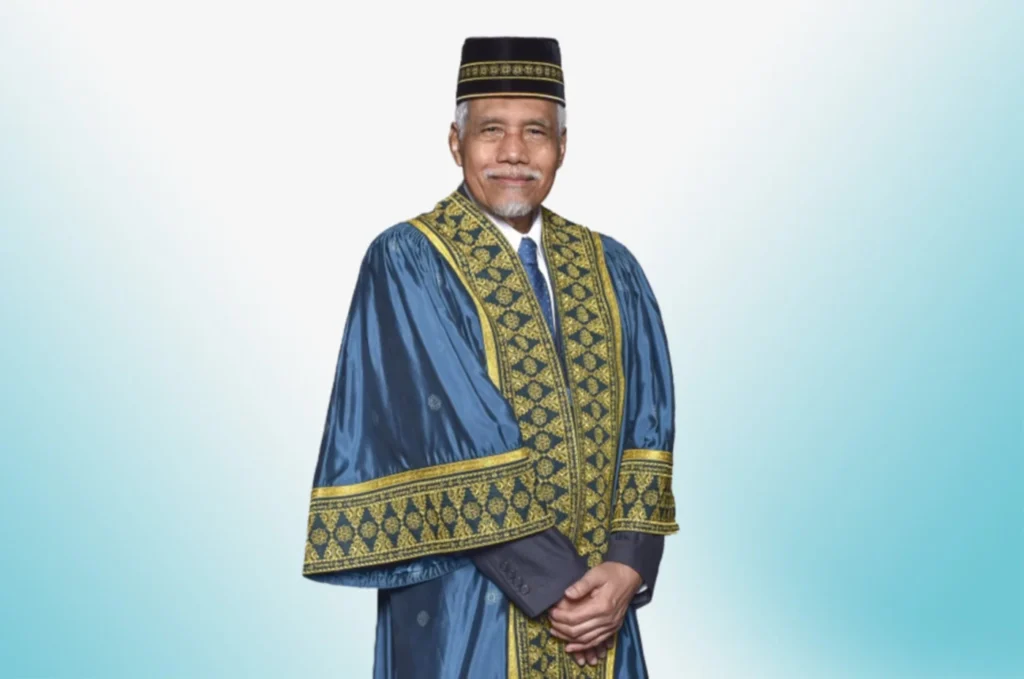
In that spirit, it would be both timely and fitting for Malaysia to recognise Osman Bakar with the nation’s highest academic distinction.
Following the towering legacy of Naquib al-Attas, Osman Bakar’s lifetime of scholarship and his global contributions to civilisational dialogue make him a most deserving candidate for the conferment of the title of Royal Professor.
Such recognition would not only honour an outstanding Malaysian scholar. It would also reaffirm Malaysia’s enduring commitment to knowledge, wisdom and intellectual leadership in the world.
Leave a Reply